
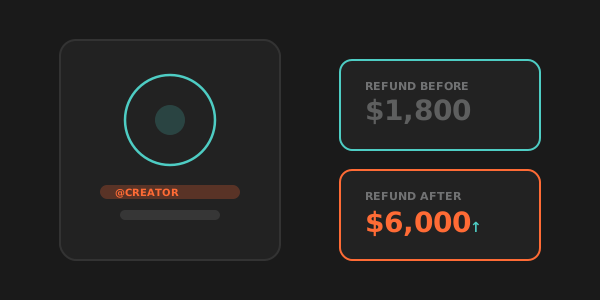
This is a real TikTok creator tax return Australia case study showing how the right deductions cut one creator's tax bill by $4,200 in a single year. We worked with a TikTok creator (we'll call her Jess) who came to us after lodging her own returns for two years and missing thousands in legitimate deductions. Here is exactly what happened, and what most creators overlook.
The Situation
Jess earns around $85,000 a year from TikTok through a mix of brand deals, the TikTok Creator Fund, and affiliate links. She'd been lodging basic returns through a generic tax agent who didn't really understand how creator income works. The result? She was paying way more tax than she needed to.
Her previous returns were bare bones. No proper breakdown of her income streams, barely any deductions claimed, and zero business structure advice. She just assumed that was how it worked.
What We Found
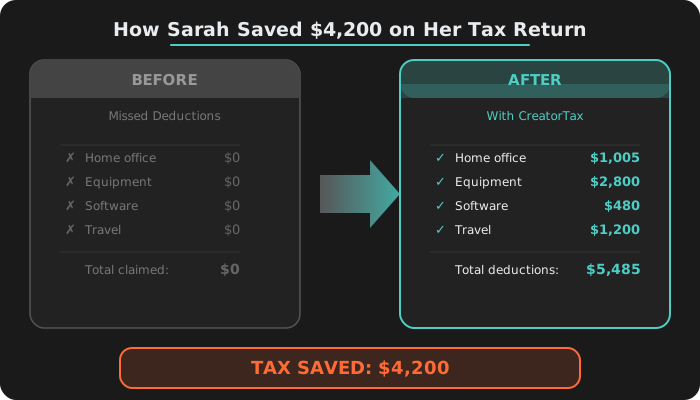
When we sat down and went through everything, it turned out Jess wasn't claiming a long list of completely legitimate deductions. Here's what she was missing:
- Home office expenses for the spare room she uses as a filming studio
- Ring lights, tripods, and camera gear worth $2,800
- Phone and internet costs at 65% work use
- Props and backgrounds purchased for her videos
- Travel to brand events and content shoots
- Editing software subscriptions (CapCut Pro, Adobe, Canva)
- Her accountant fees from previous financial years
None of this was complicated. It was all standard stuff that any creator-savvy accountant would pick up straight away. Most of it is covered in our guide to content creator tax deductions in Australia, including how to apportion home office expenses when you film from a spare room. But because her previous agent didn't understand the creator space, it just got missed.
The Result
After properly structuring her deductions, Jess saved $4,200 compared to what she would have paid under her old setup. That's money she was leaving on the table every single year.
On top of that, we helped her set up quarterly BAS lodgement so she's not scrambling at the end of the financial year. Once her income crossed the GST threshold, registering an ABN became important, so if you are unsure whether you need one, read do I need an ABN as a content creator. We also put a proper business structure in place for the following year to make sure she's set up for even bigger savings as her income grows.
The Takeaway
Jess's story isn't unusual. We see this all the time with creators who come to us after years of overpaying. The deductions are there. You just need someone who knows where to look.